Vessels of Remembrance
Handmade ceramic urns for ashes and remembrance.
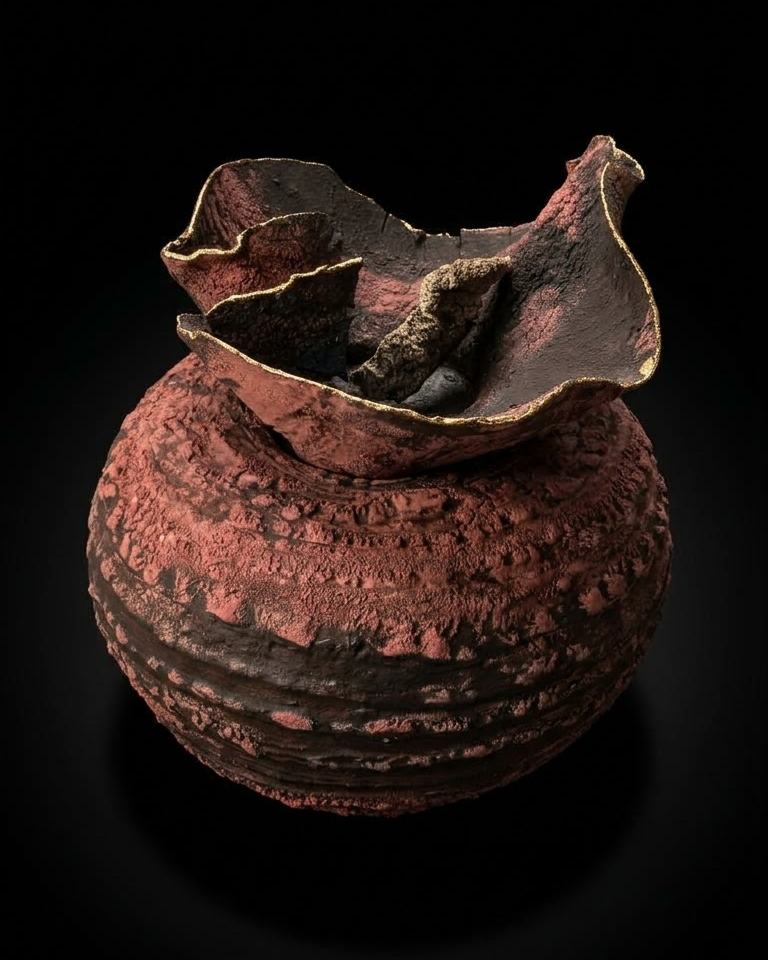
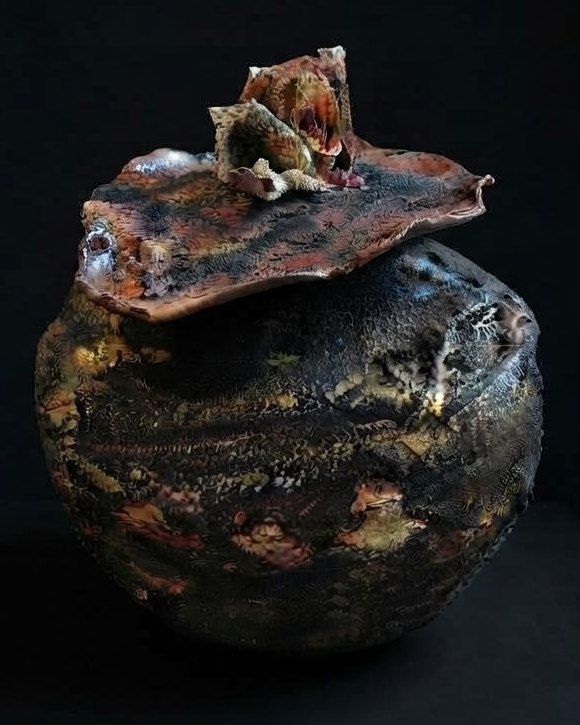
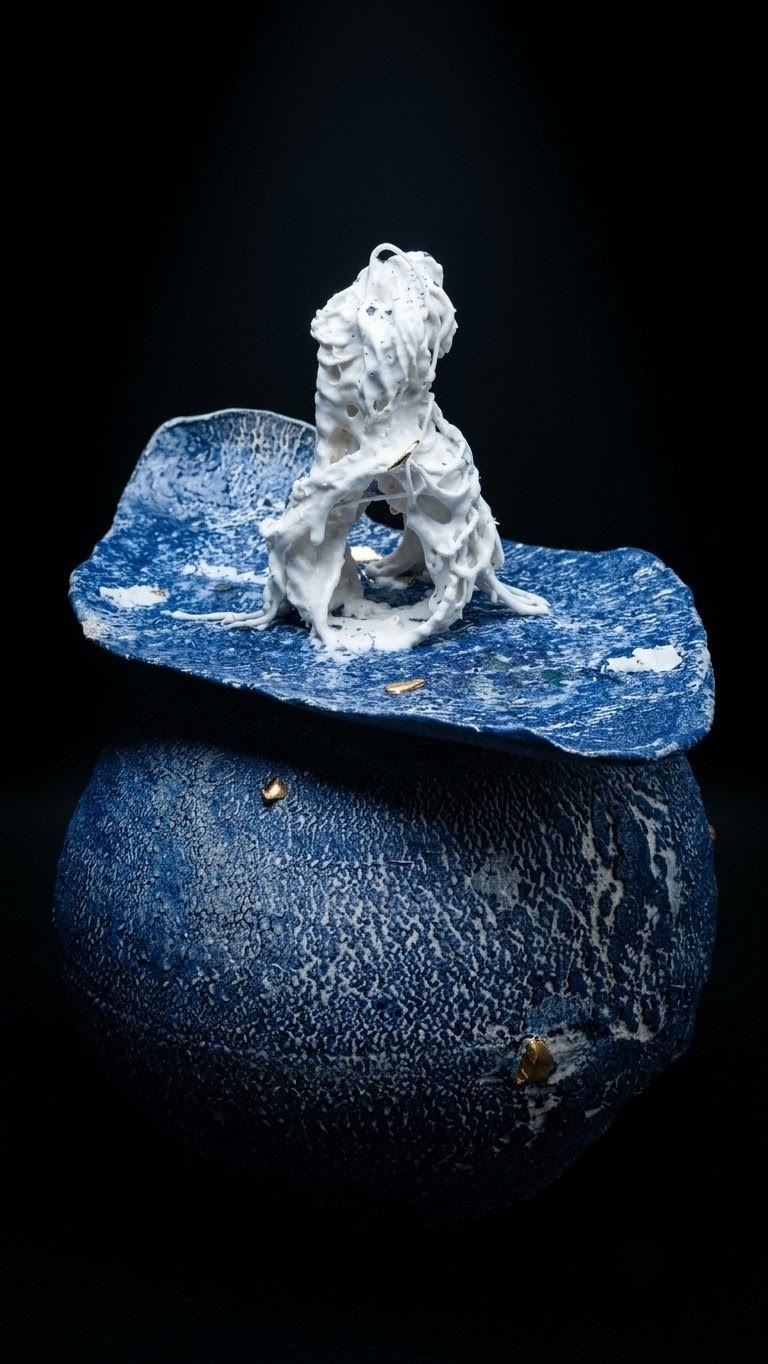
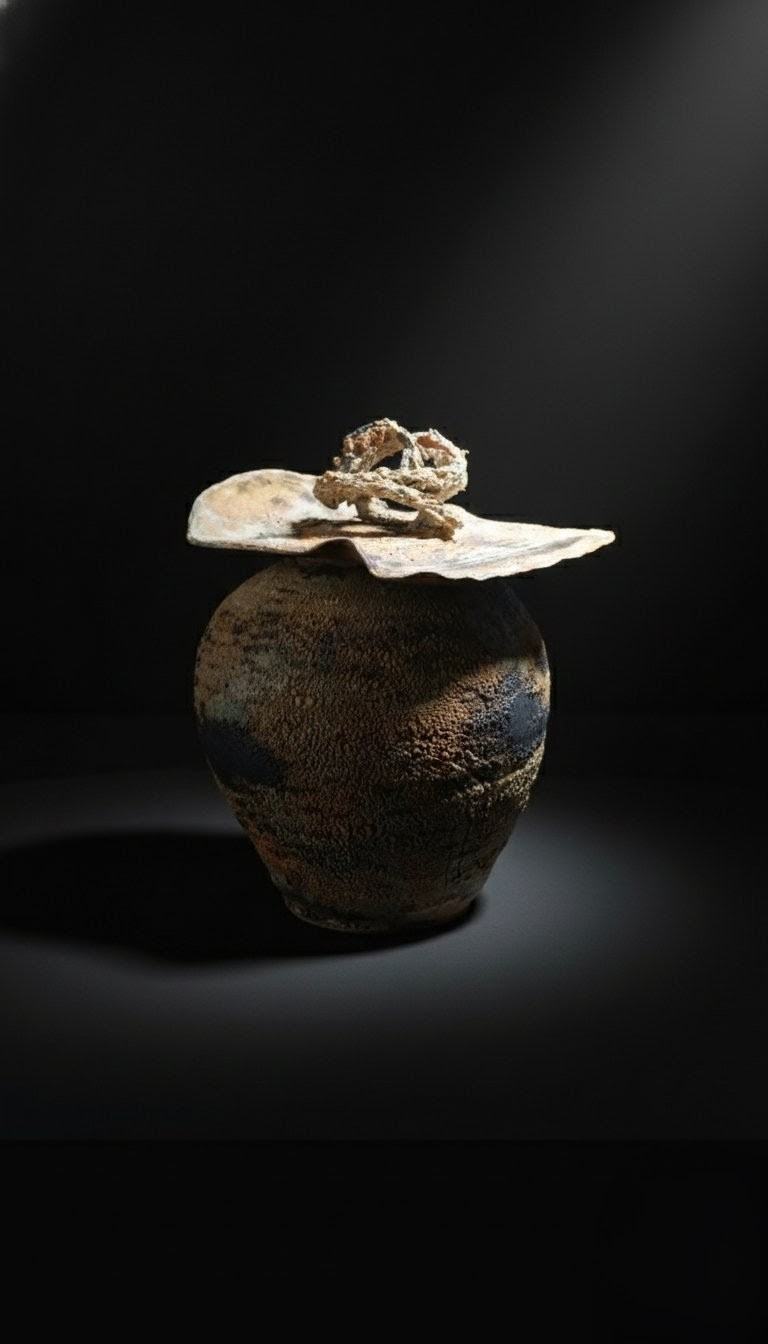
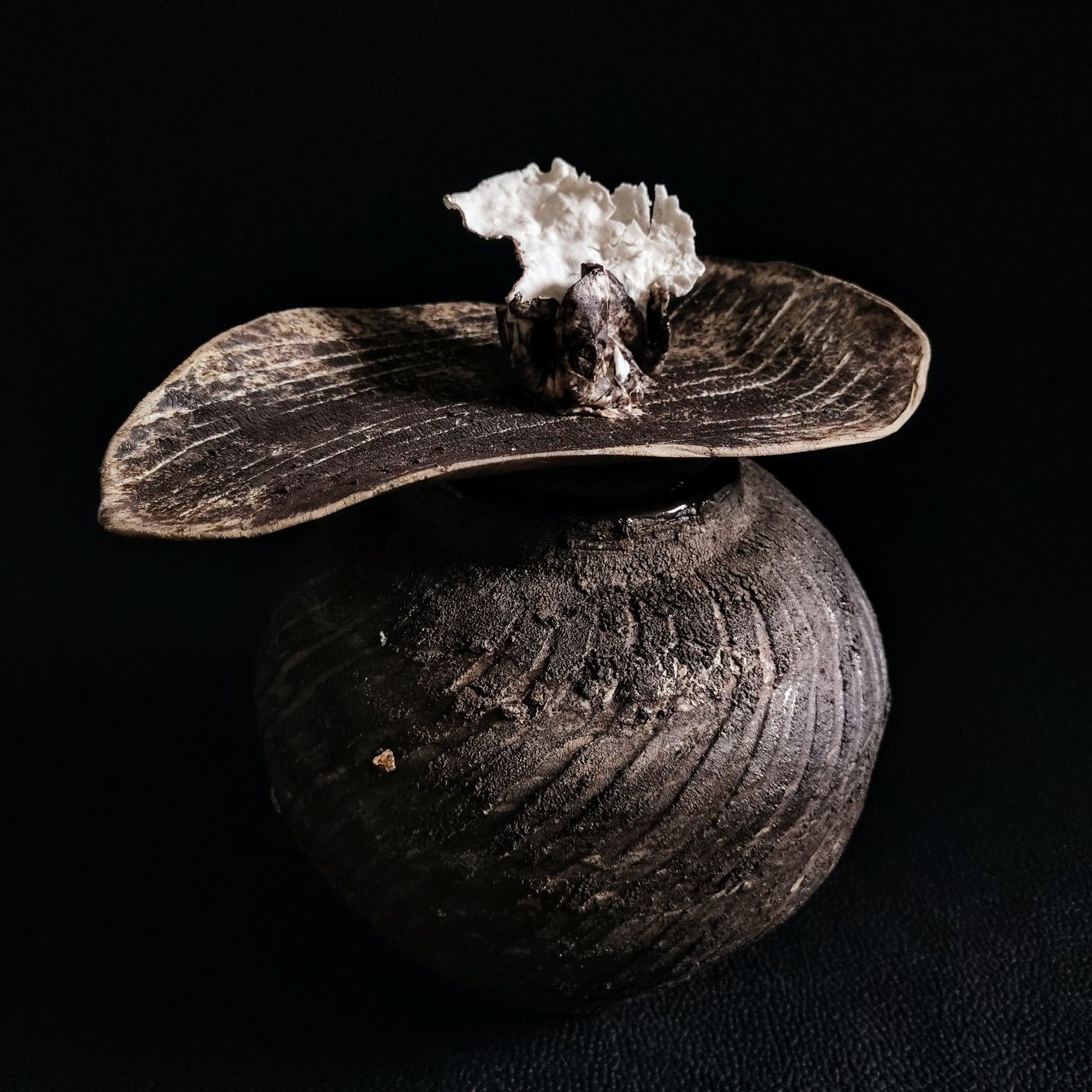
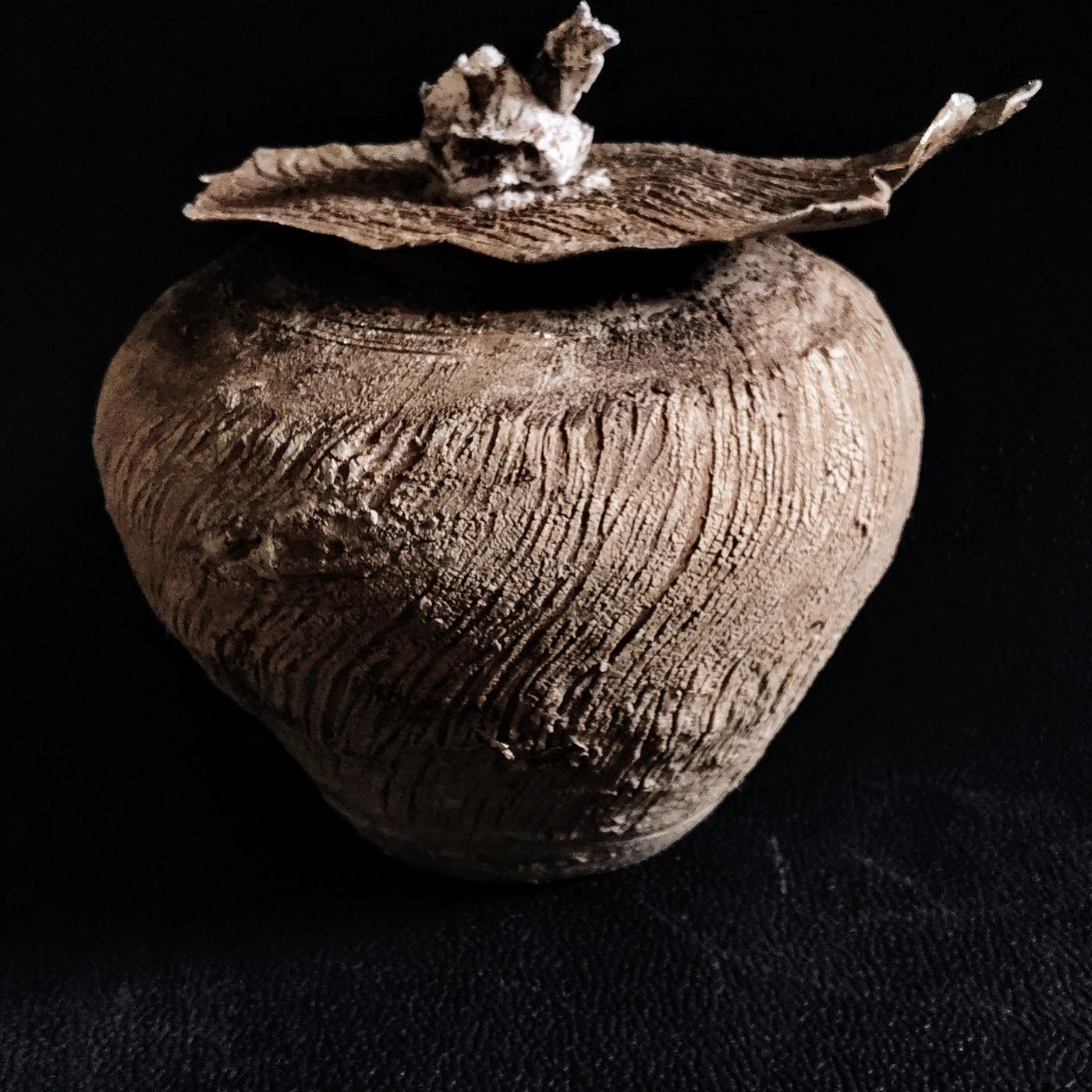
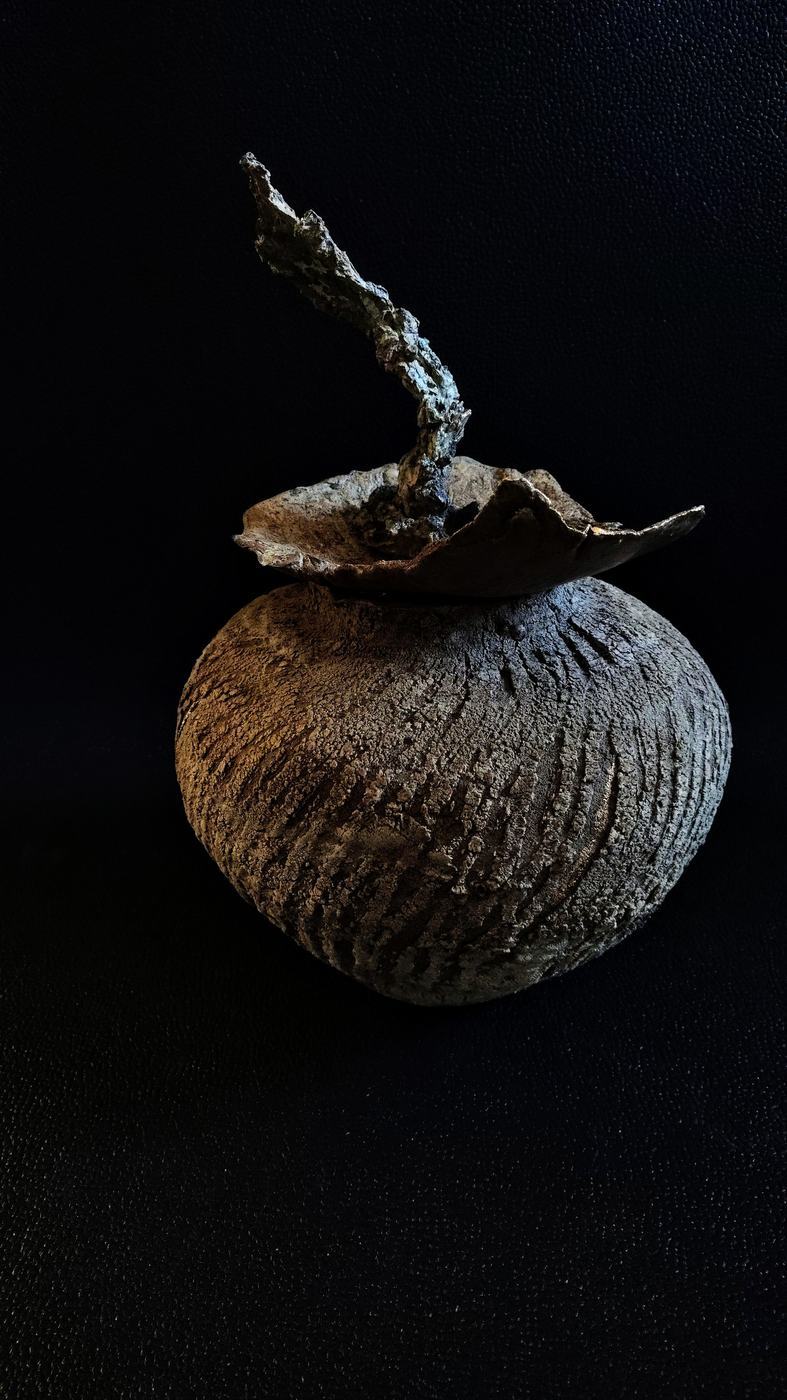
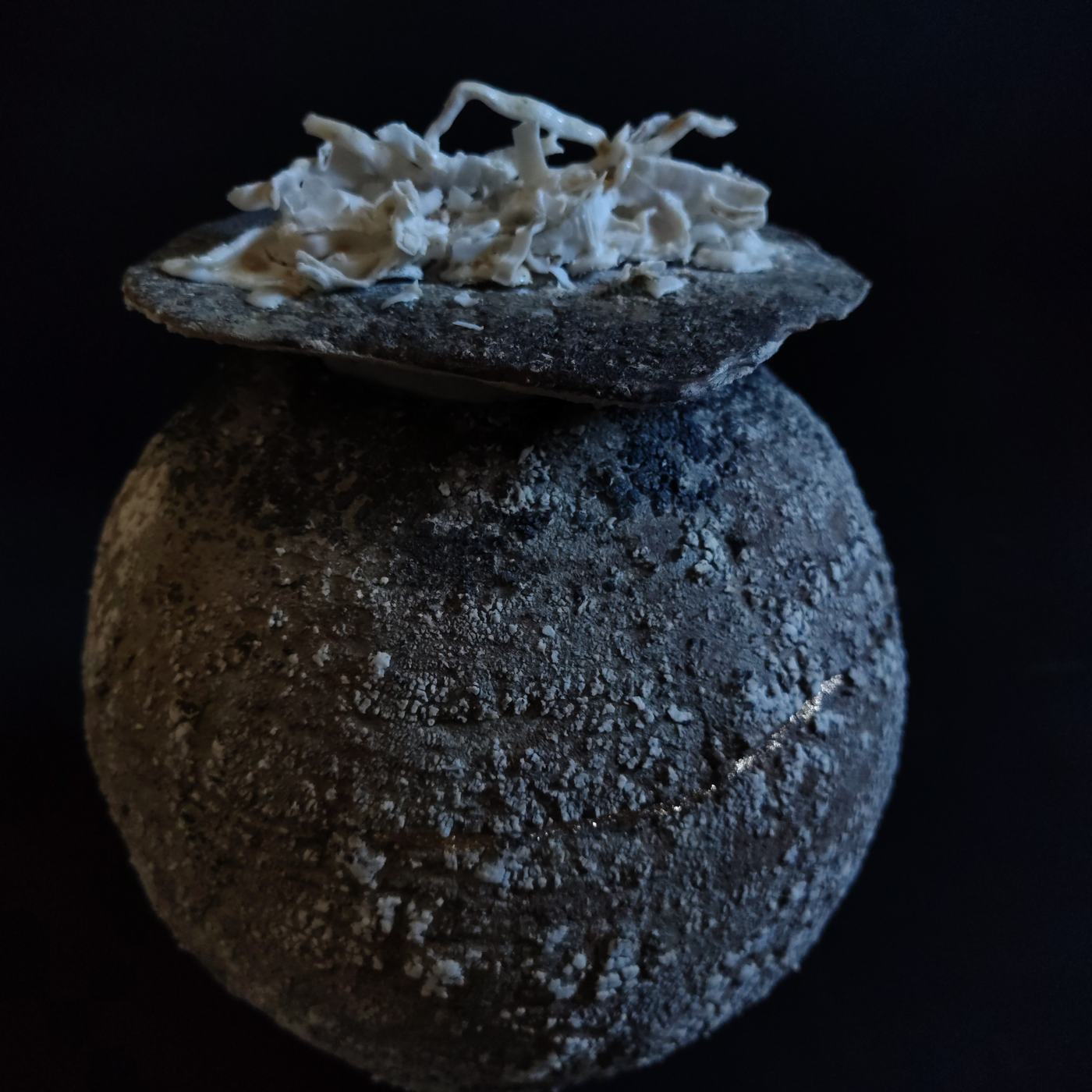
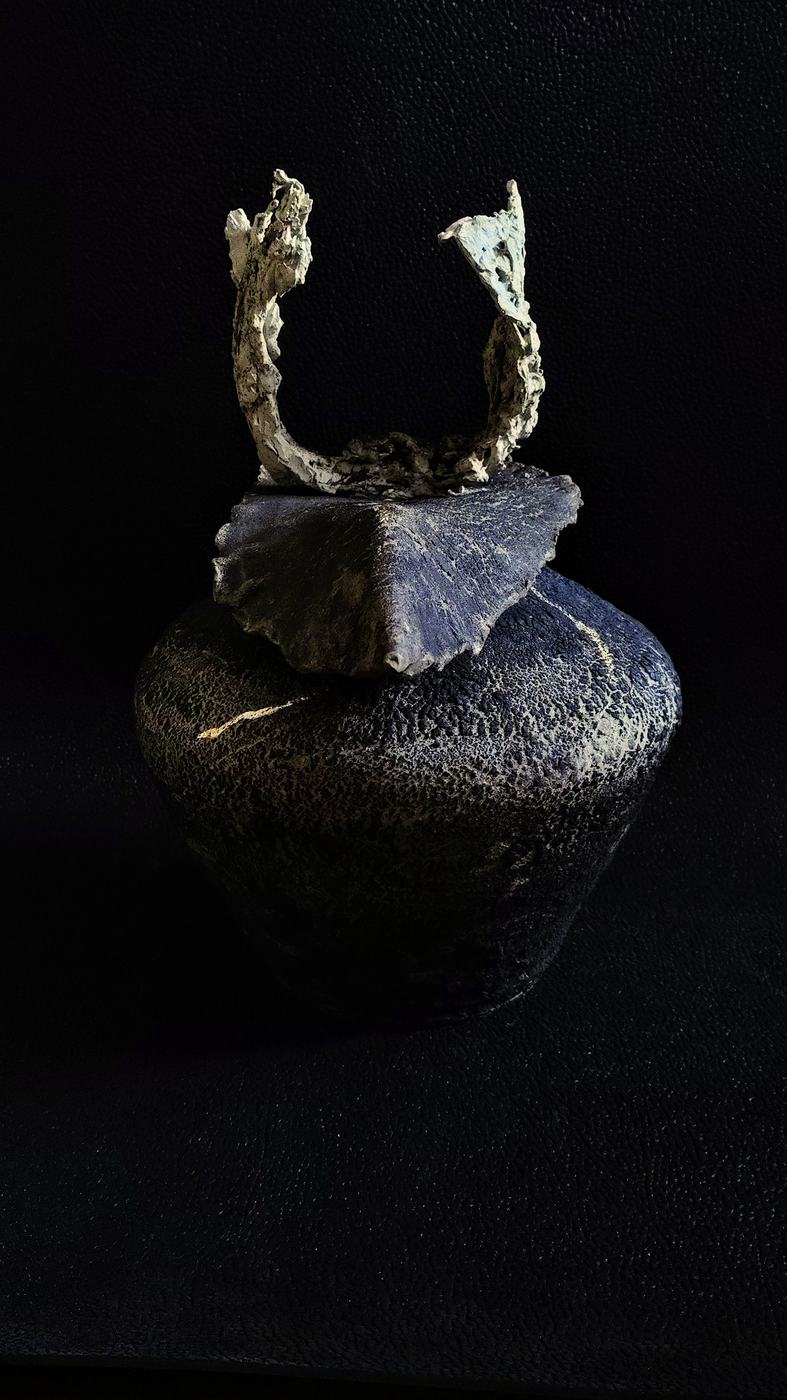
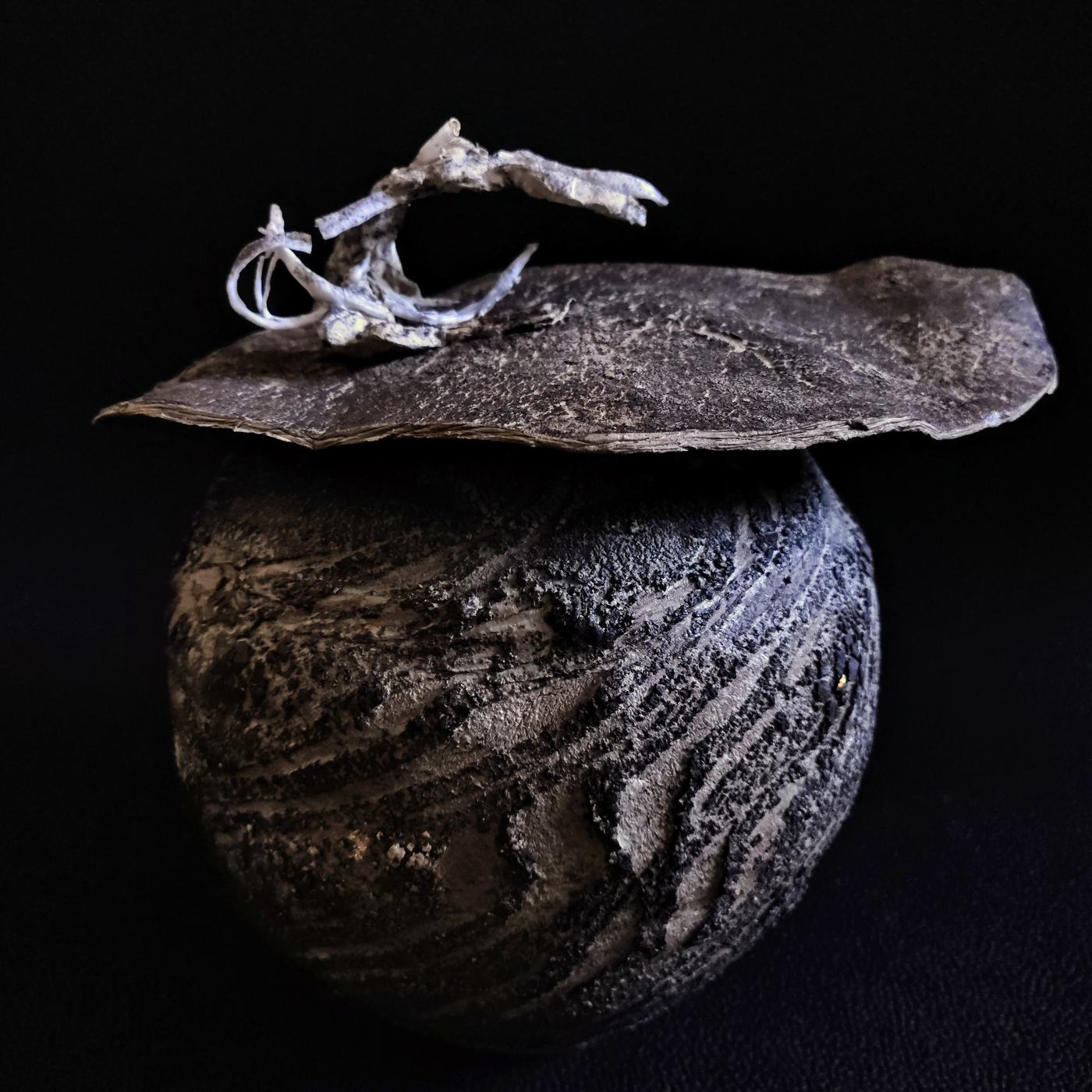
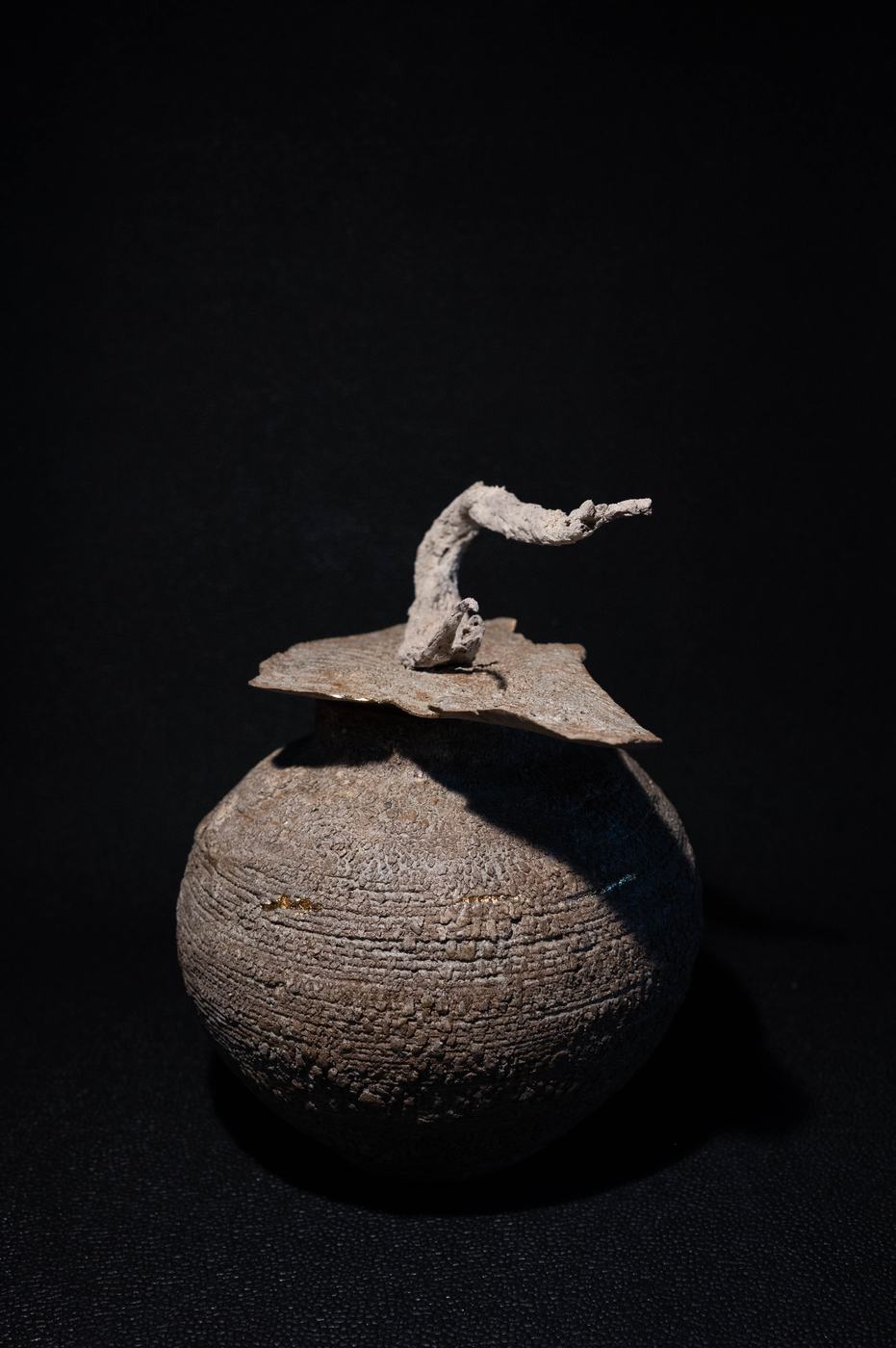
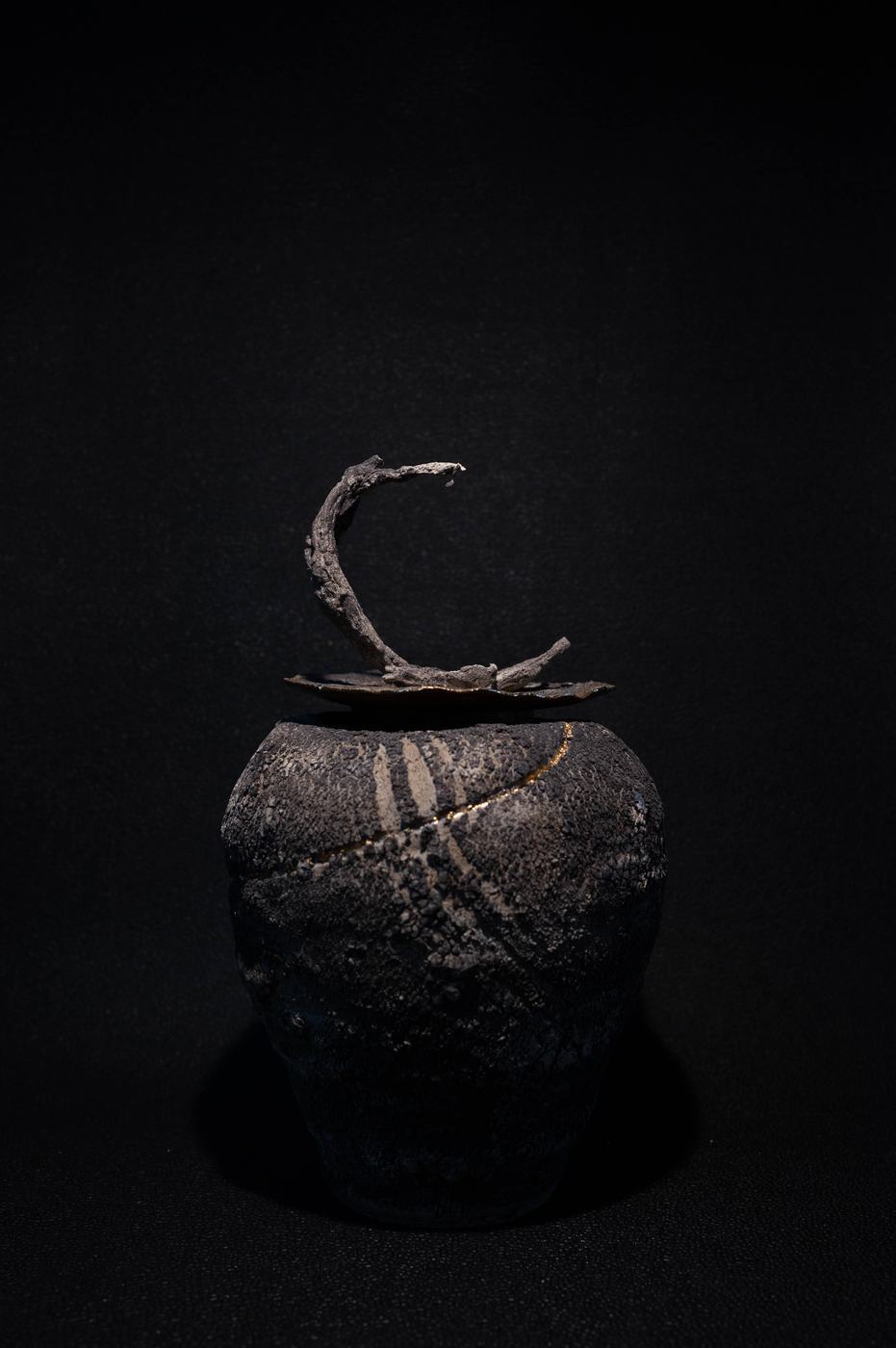
Every urn I make is a work of art in its own right: a ceramic piece that can also hold ashes. It begins as a lump of clay, thrown on the wheel or built by hand, and ends as a fired urn. Stoneware is earth that has been through fire multiple times and can therefore outlast the ravages of time. Read further ↓
Available work
Price on request
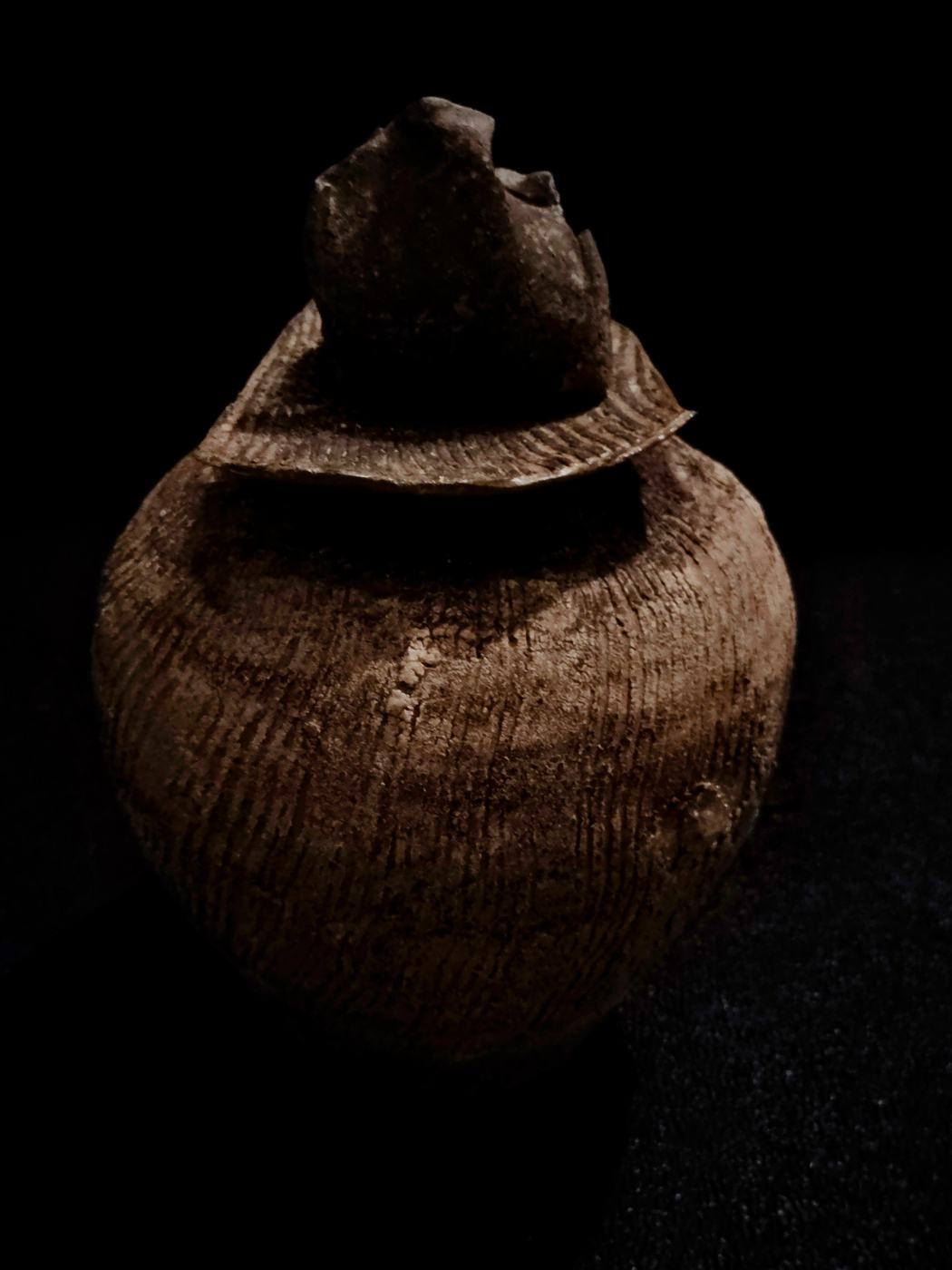
Work that found its destiny
Two traditions, one question
In much of Western Europe, cremation has become common. Urns are usually chosen within a few days, from a catalogue, while other things demand attention. Yet there is nothing finer for remembering a loved one than a unique work of art as an urn.
In China, cremation and the urn have found a place inside the old rituals. The urn is buried in a small plot in a cemetery or set in a niche in a columbarium, with a name and often a photograph. The family still comes at Qingming to sweep the grave, burn incense and bring food. The old phrase 入土为安, at rest once in the ground, still applies to many families who bury the urn. Cremation has been encouraged by the state since the 1950s and is now the norm in most cities.
The two parts of the world experience farewell in different ways, but they share a question that binds east and west: once the body is gone, where does a person stay, and how do we remember the loved one?
Surface, weather, time
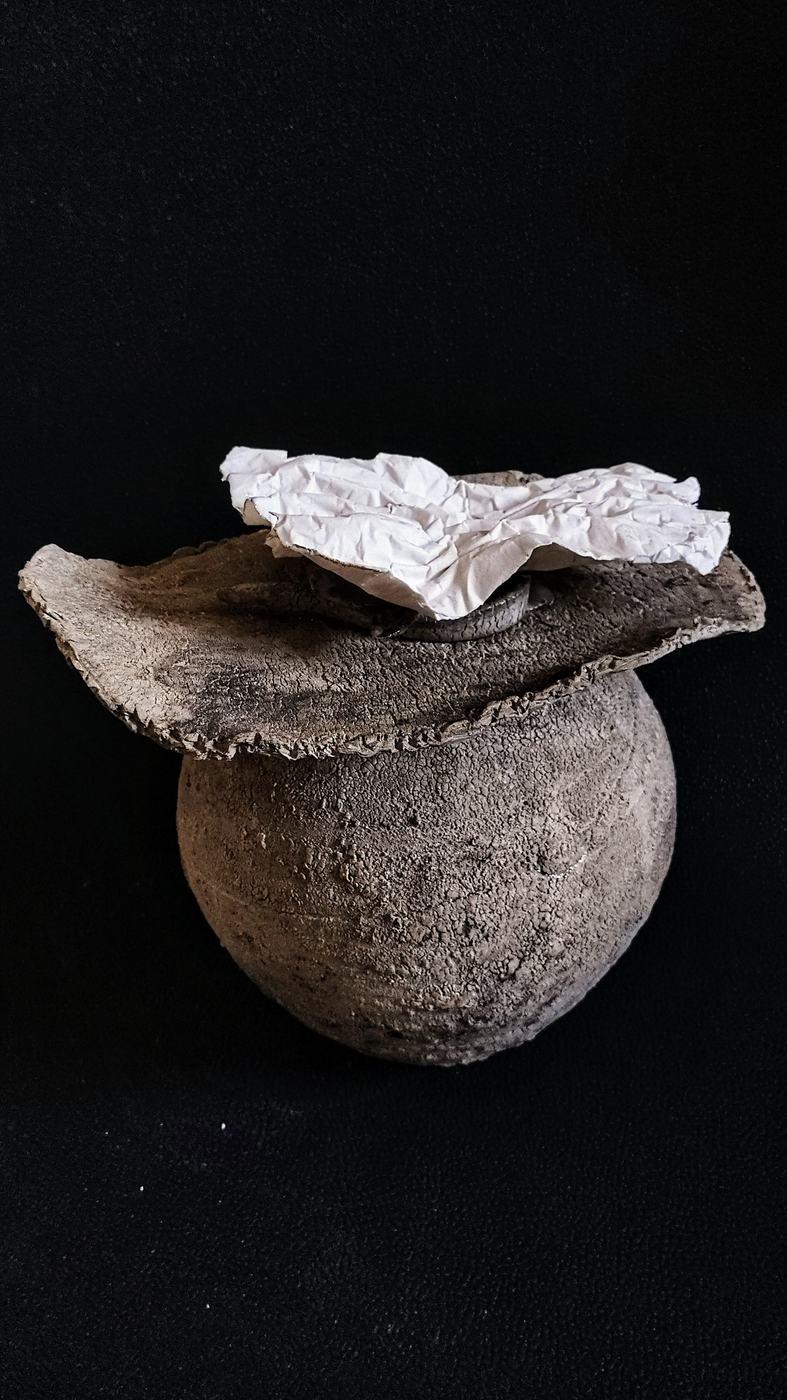
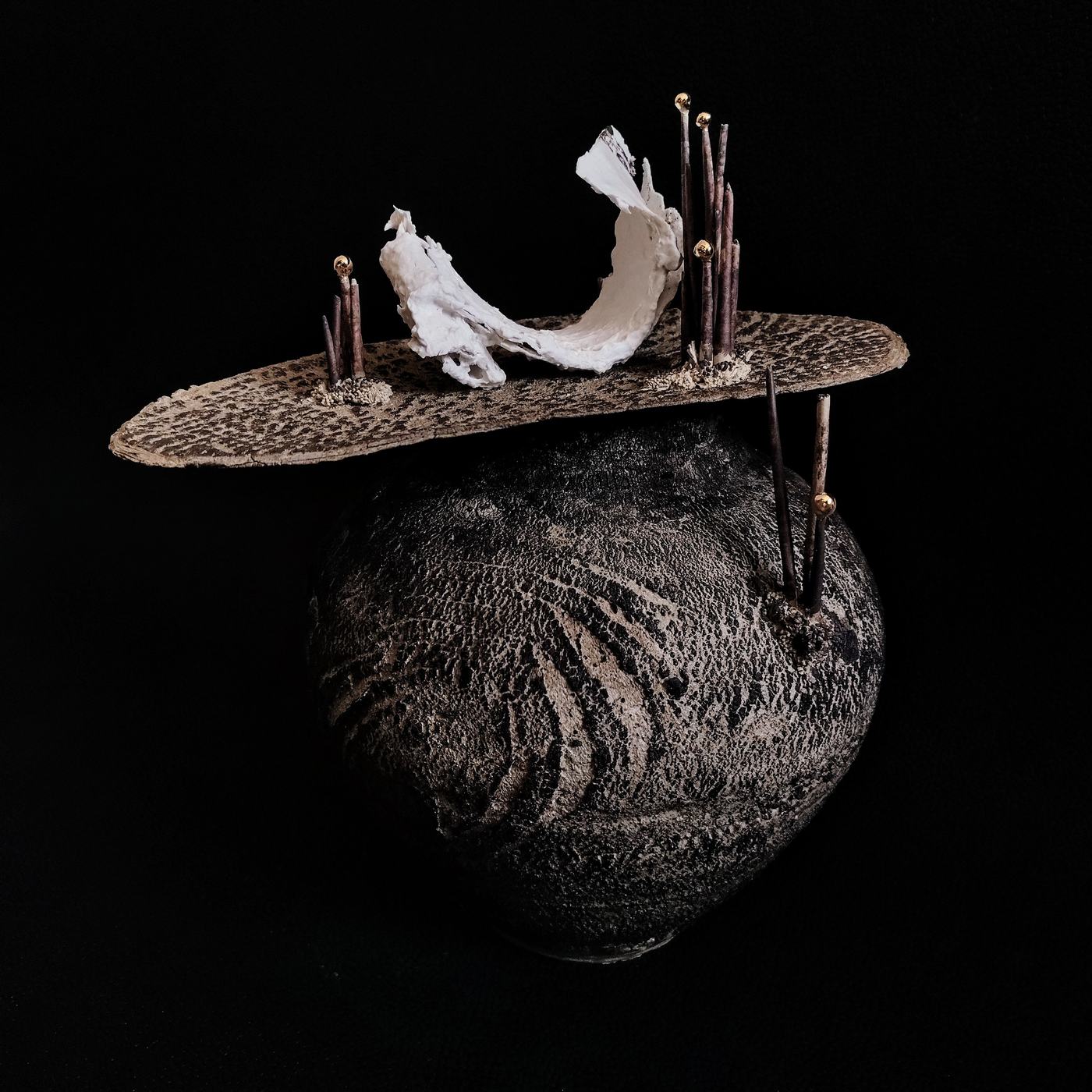
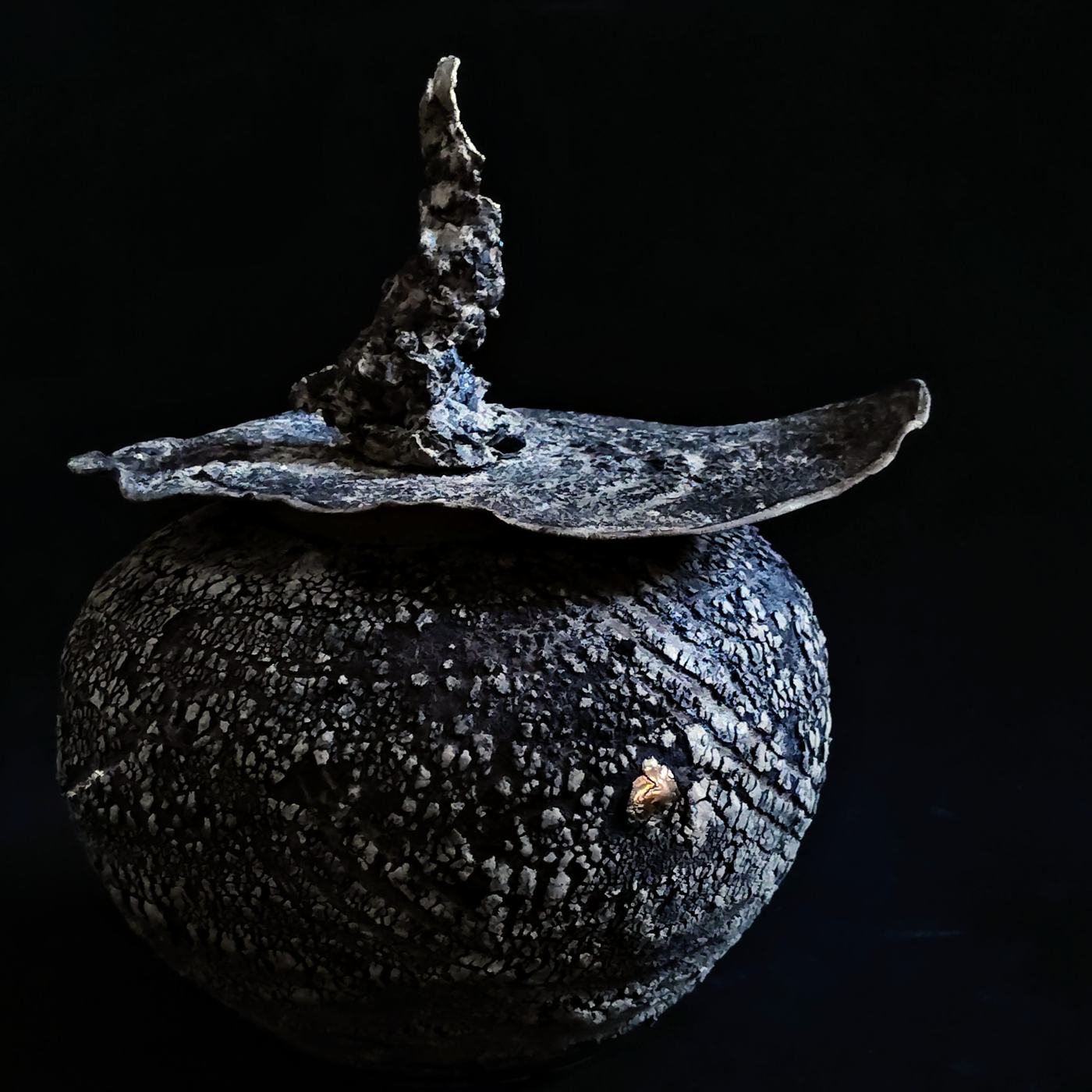
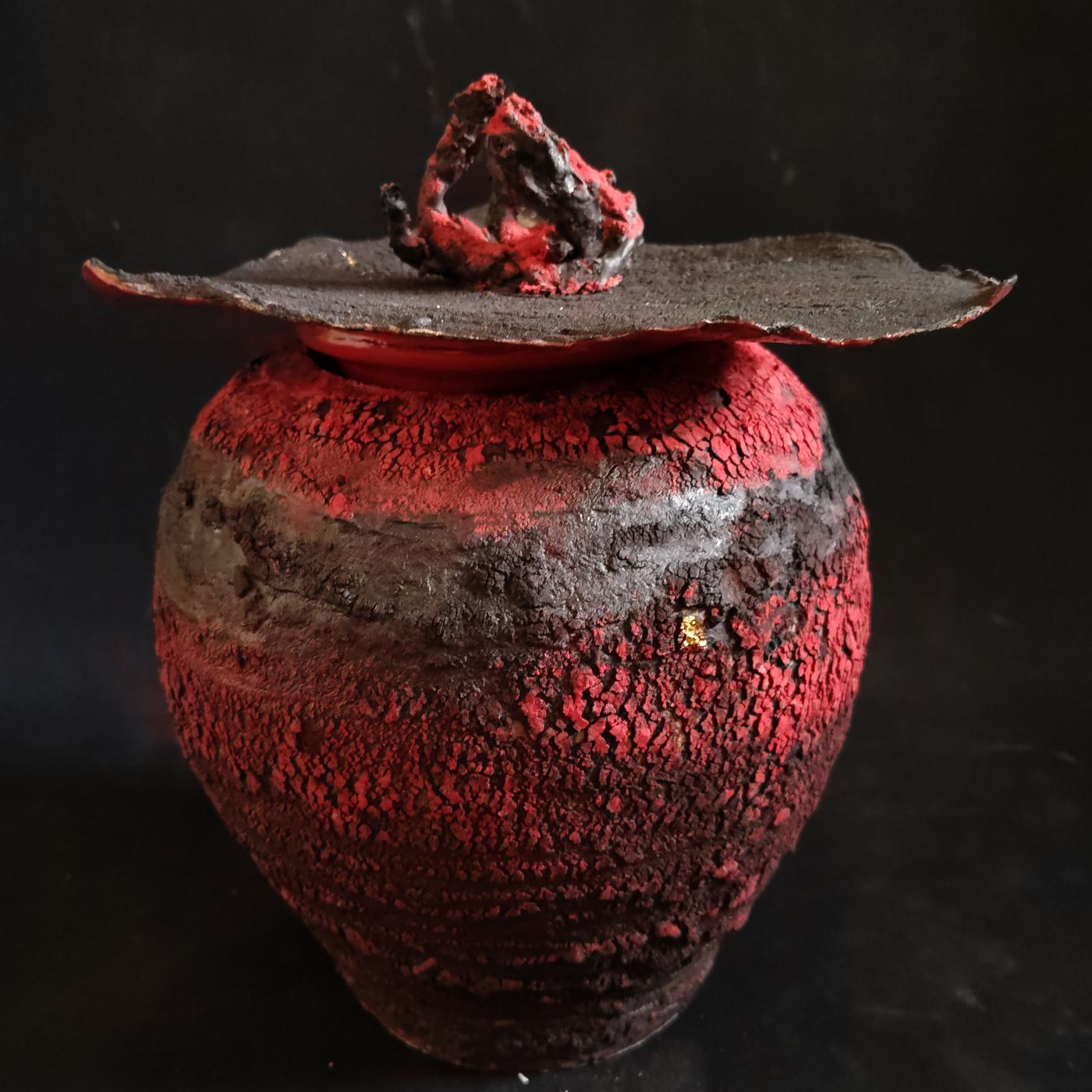
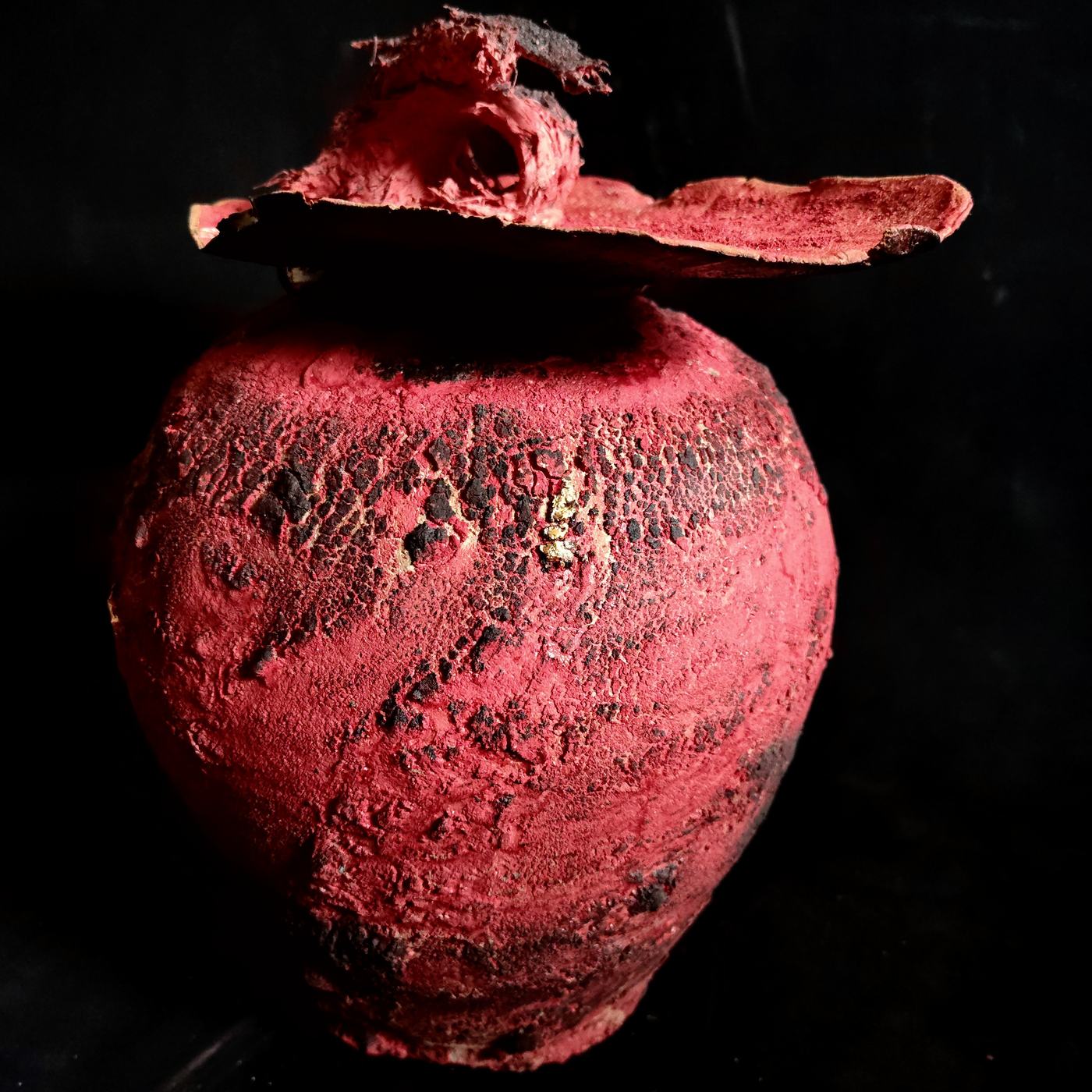
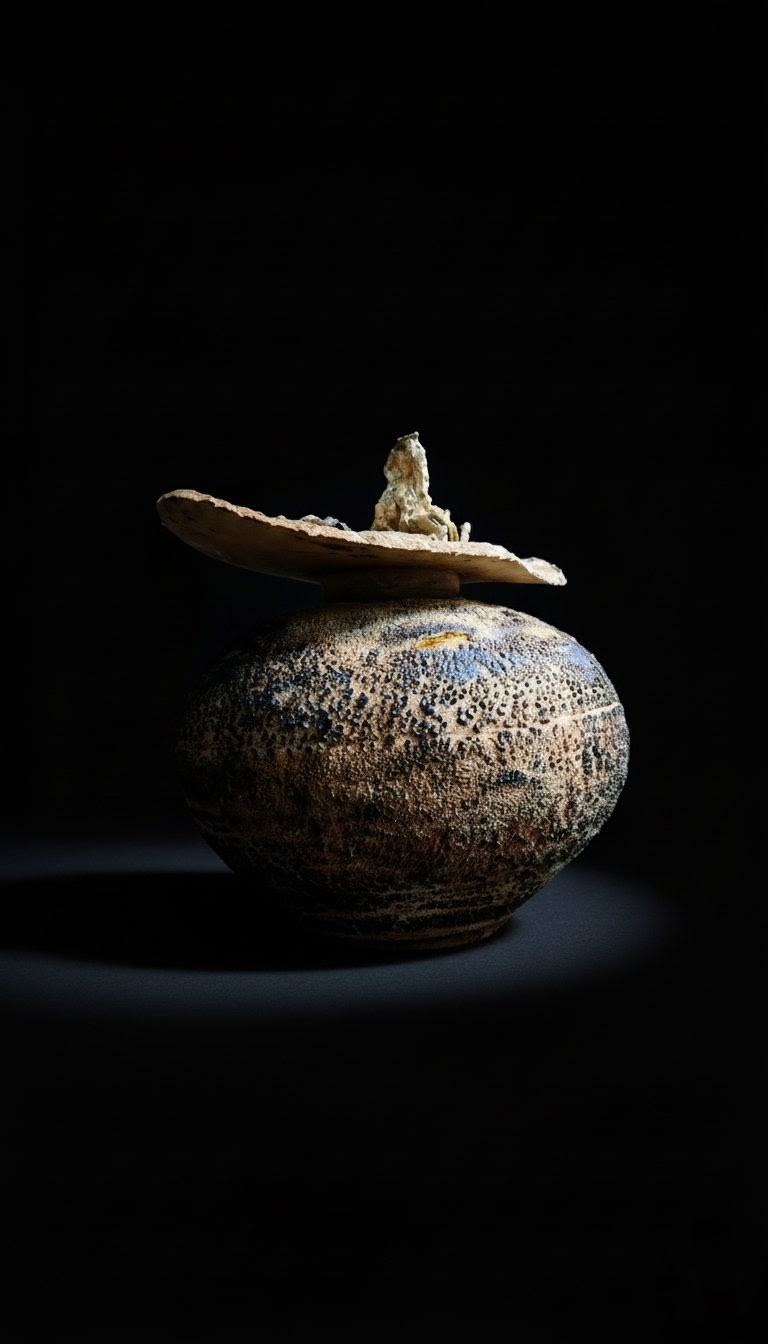
My work has a surface that looks as if it lay underground for centuries: rough matte stoneware, clay-powder textures, earthy browns, muted greens, grey. Or the opposite, with vibrant colours. Each piece carries accents of gold that emphasise imperfections and lift them up, because, as with people, imperfections make it real.
Ceramic lives on through the centuries. Ceramic does not decay. Buried in soil, an urn ages like a potsherd and lasts for centuries. Above ground the elements have free rein and discolouration or moss growth can occur, but the ceramic endures. An eternal anchor connected to the loved one.
Making it personal
Every urn can be personalised. Families may, for instance, place a handful of soil from a particular place inside, a small object, or a folded note.
Commissions
On this website you see all the urns that are currently available. I can also make a personal urn for you in my studio in Destelbergen. We talk, by video or in the studio, about the person, the place where the urn will stay, and the volume it needs to hold. Making and firing take about two months. Price on request.
To begin, you can reach me via the contact page.
Care and storage
The crematorium that cremated your loved one knows best how ashes are handled and transferred, and can advise on placing them in an urn. Fired ceramic does not biodegrade. A ceramic urn suits keeping at home, a place in a columbarium, or a cemetery plot, within the rules of the municipality. It is not made for natural burial sites or scattering zones that require a biodegradable urn. I am glad to answer questions about the urn itself.