Study trip China 2025
August 2025 – Jianshui, Kunming, Rongchang, Nanjing, Yixing, Shanghai
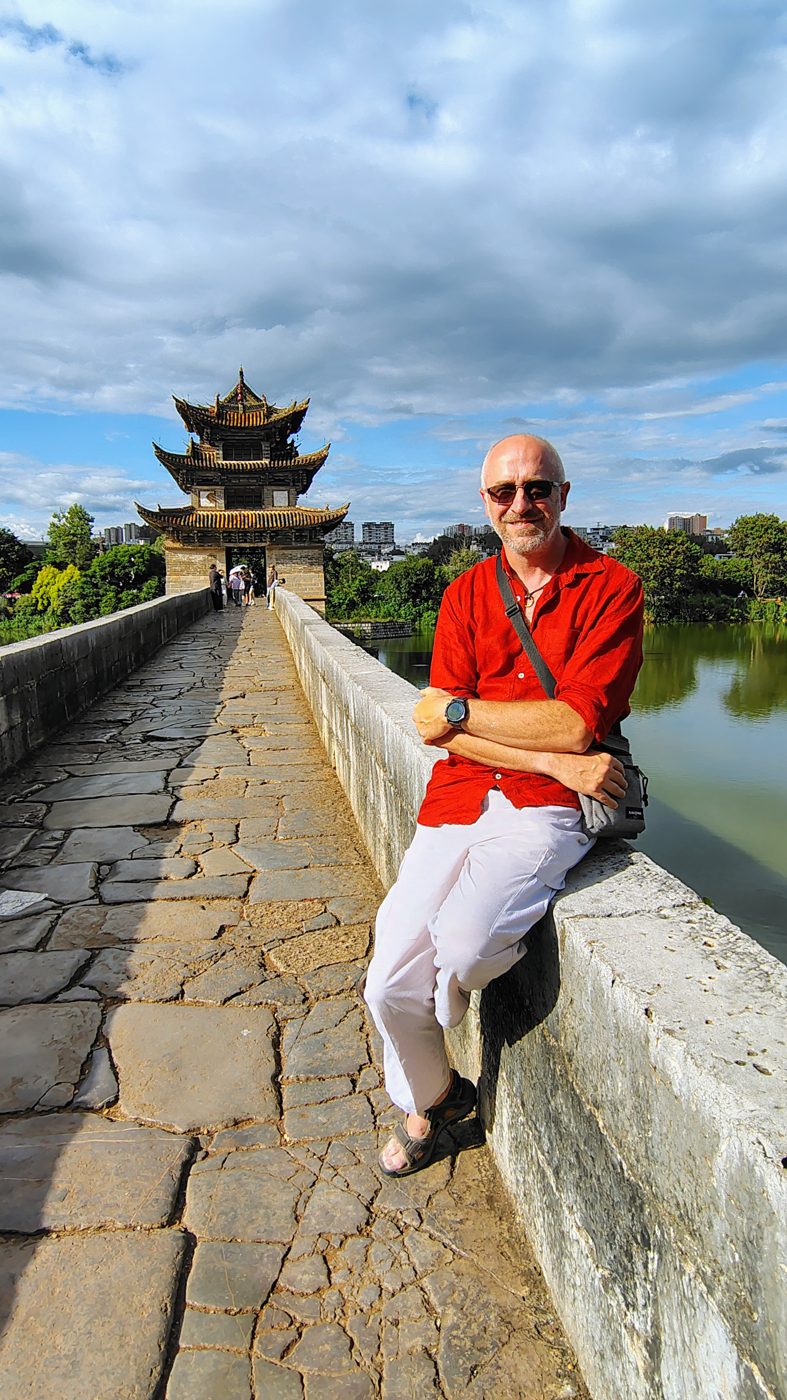
In August 2025 I travelled through China for a study trip: Jianshui, Rongchang, Nanjing, Yixing and Shanghai, with stops in Kunming and Chongqing along the way. The trip belongs to the Sino-Belgian Clay Dialogue, a project that Jennifer Zhang (Juehua Zhang) started and guided from the first idea. The centre of the trip was a residency in Jianshui, in Yunnan.
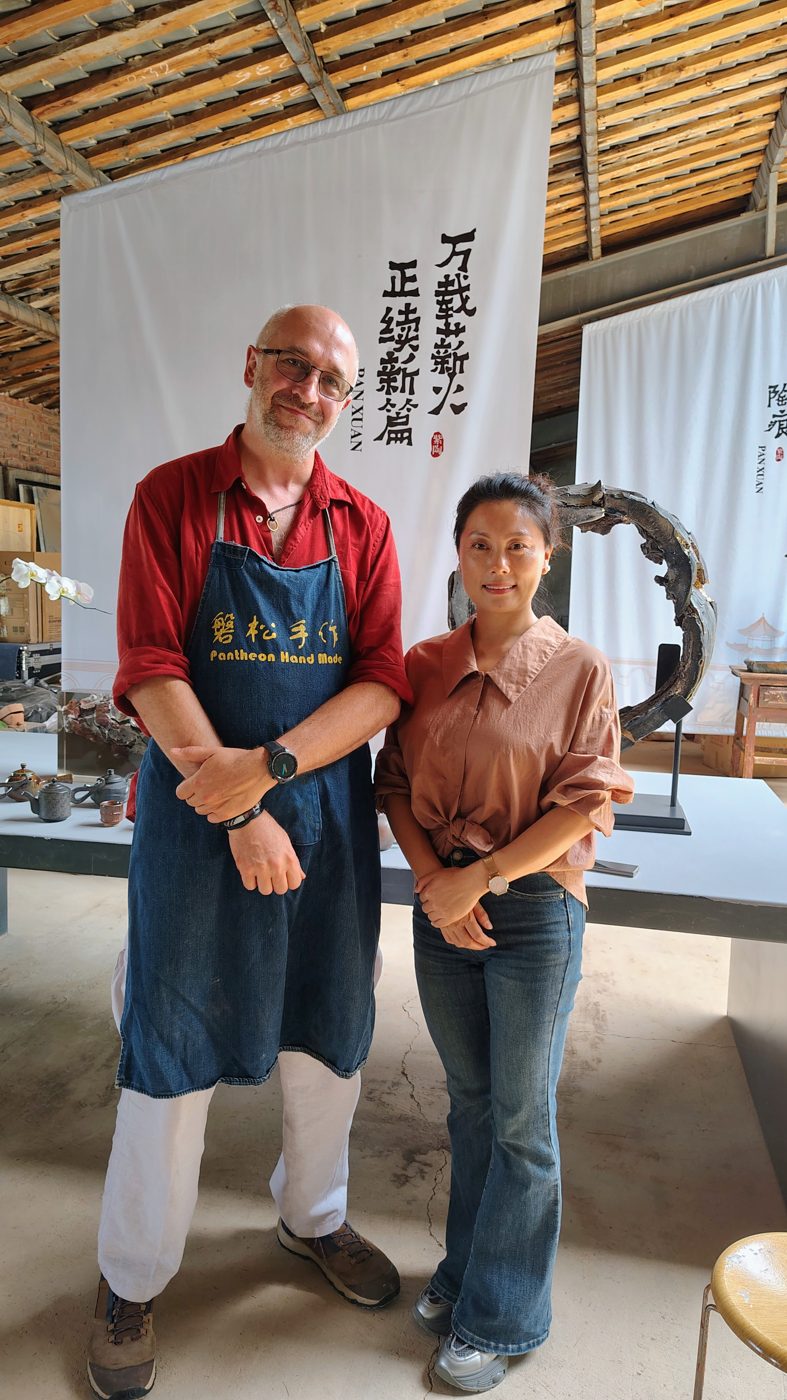
Jianshui – a residency in Mrs. Pan's studio
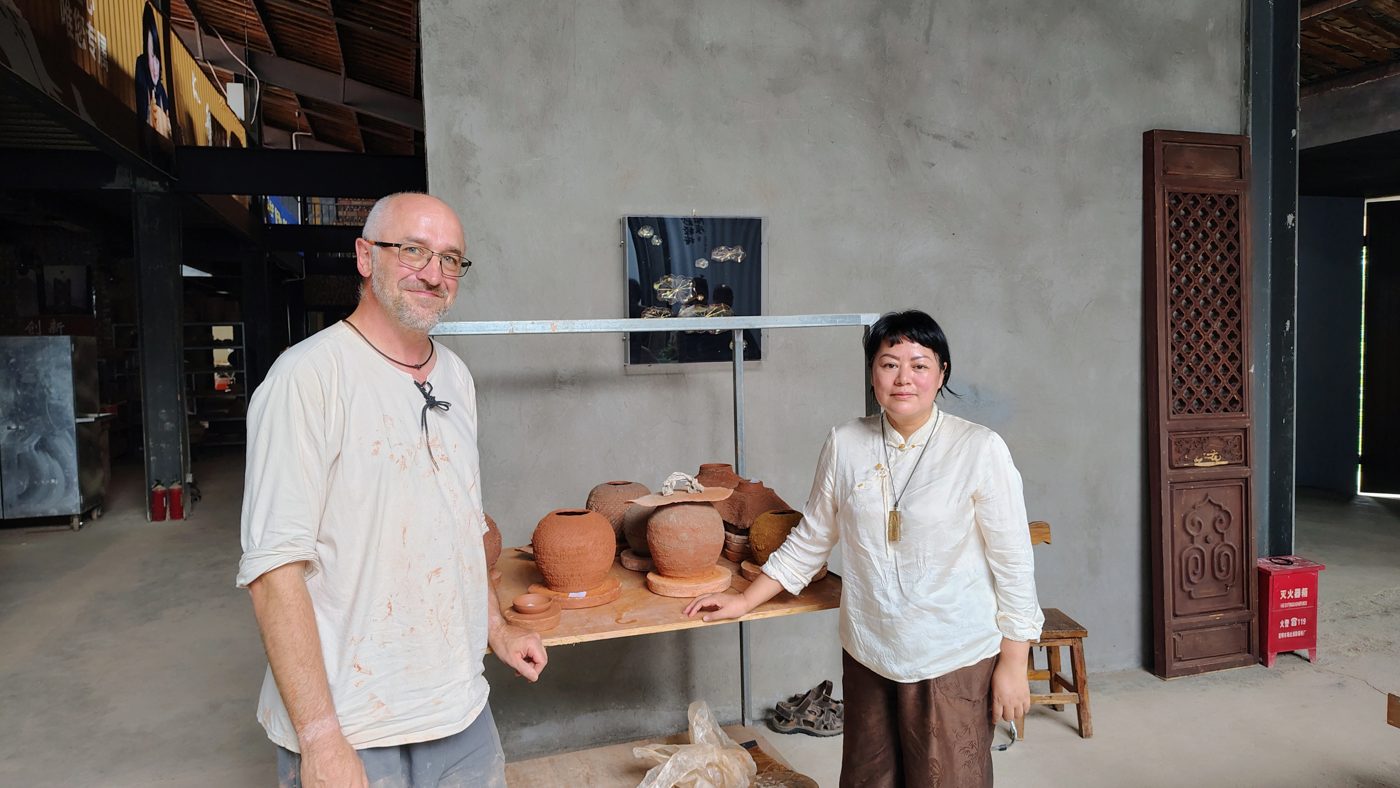
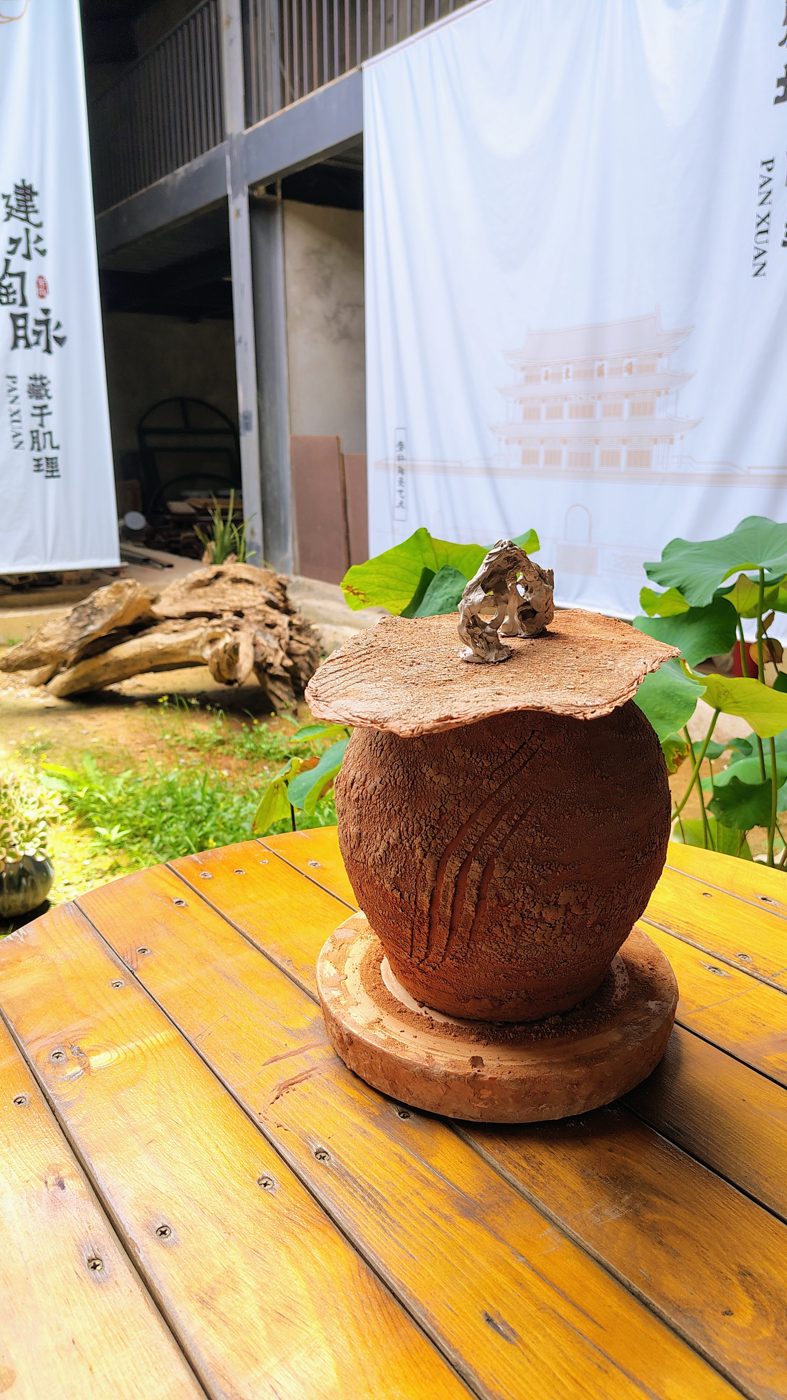
In Jianshui I worked in the studio of Mrs. Pan. Jianshui is known for carved and inlaid ceramics: the colour is not painted on. A pattern is cut into the surface, filled with a clay of another colour, and the process repeats, layer after layer. Techniques here refuse shortcuts, and the patience in them is visible in the finished surface.
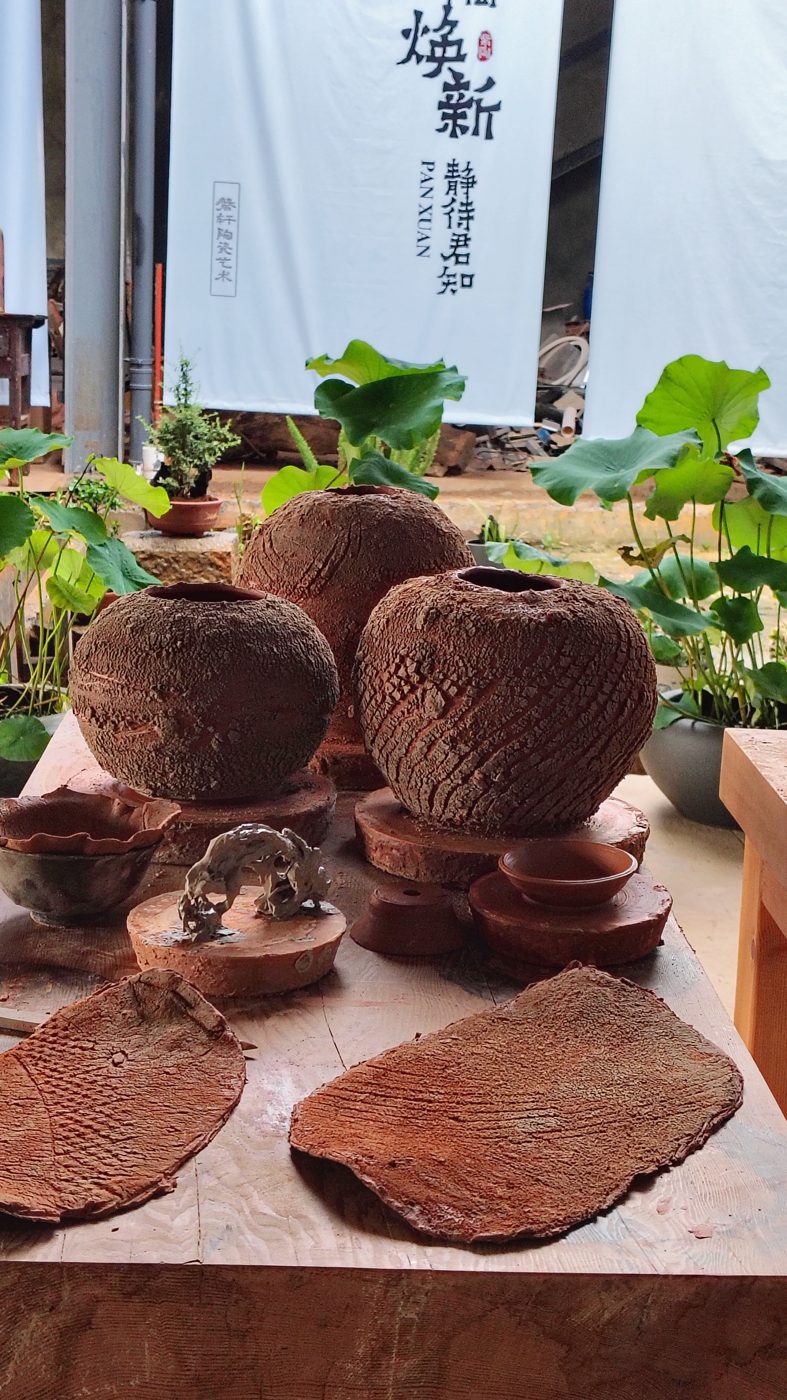
I made a series of pieces there, with the same rough, cracked surfaces I also use at home, but executed with the local clays of Jianshui, using the different colours of the clay to create a natural play of colour and shading.
Rongchang and the kiln opening
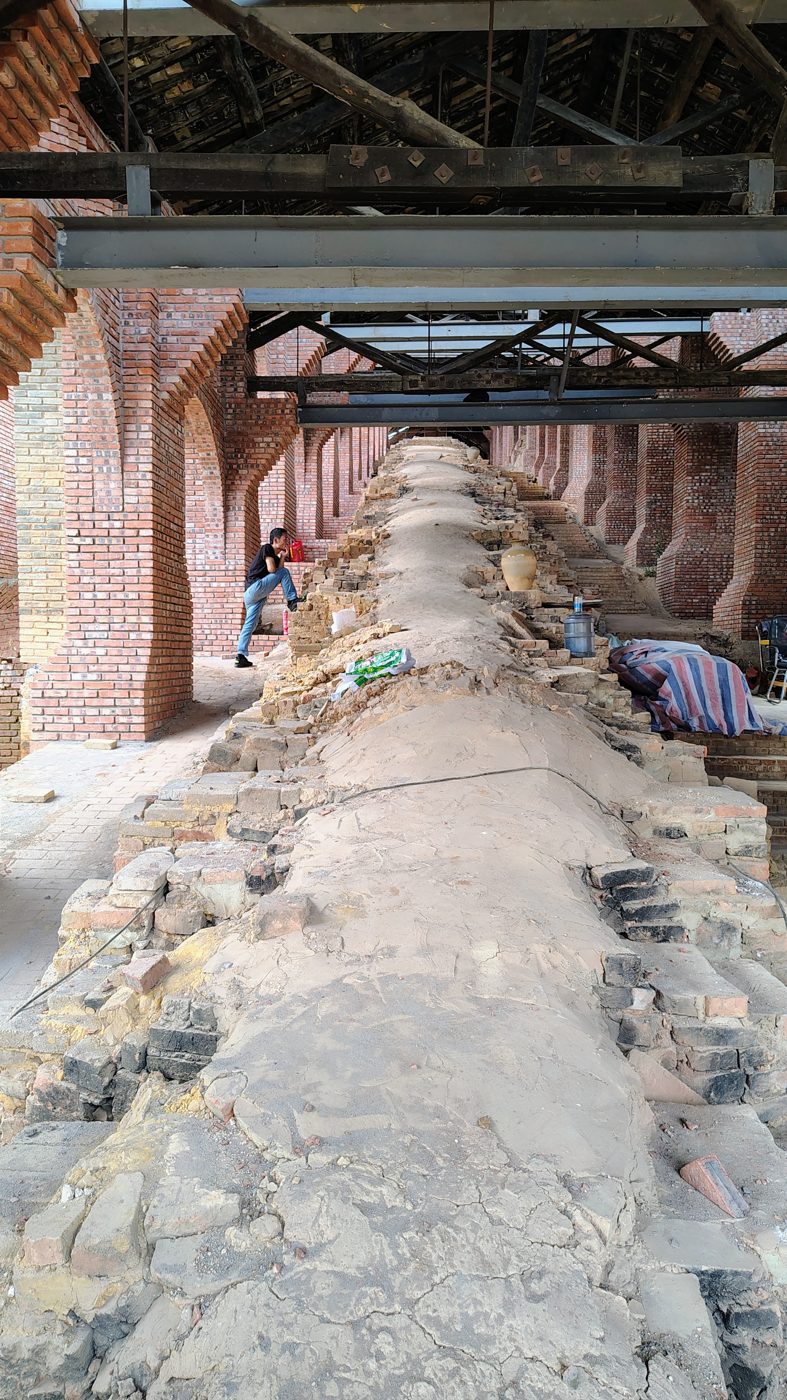
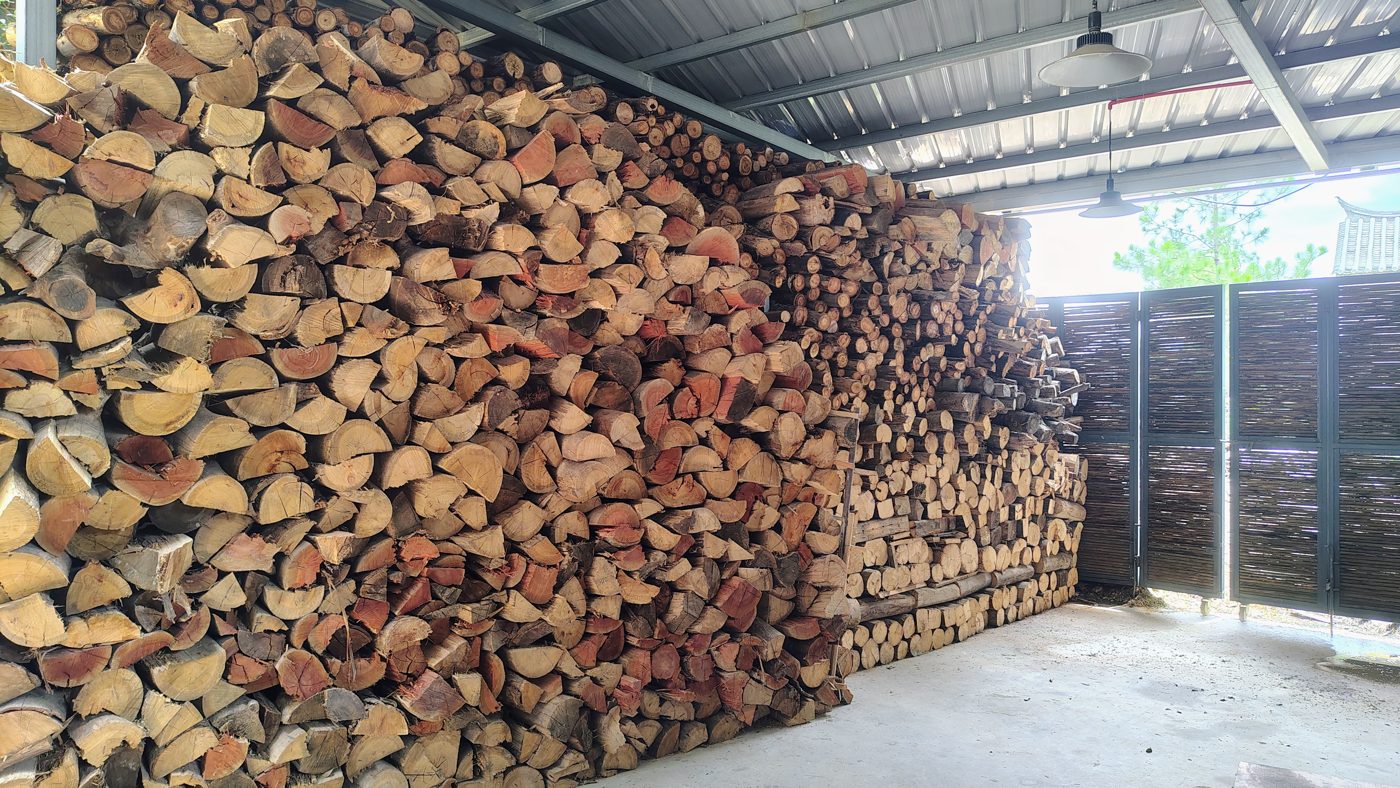
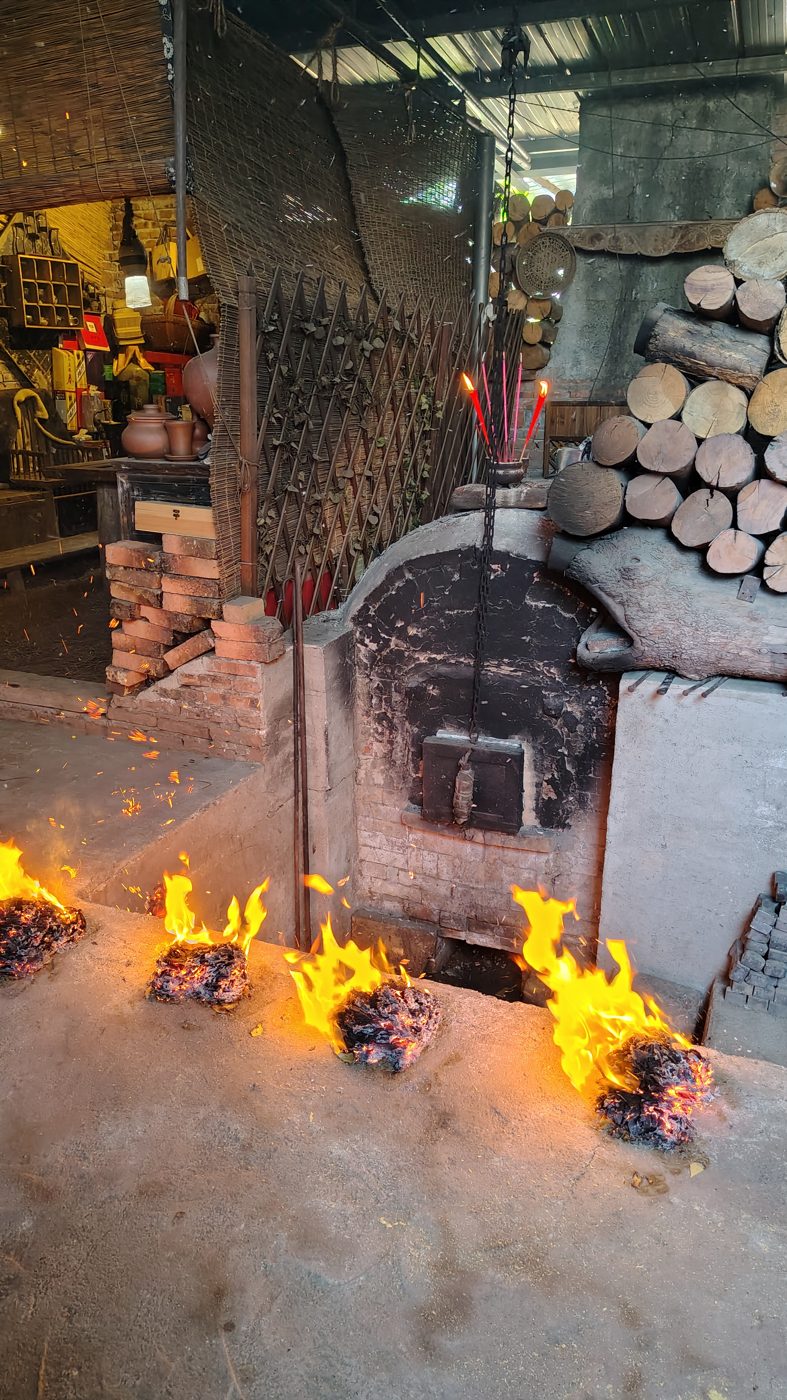
Together with Zhou Junxi, a painter from Yunnan, I travelled for nine days through Jianshui, Kunming, Rongchang and Chongqing. In Rongchang I attended the opening of Wu Ge's wood-fired kiln. A ceremony under his leadership came first: offerings to earth and fire and quiet respect for the kiln itself. Rongchang pottery is traditionally described as red as dates, glossy as mirrors, thin as paper and resonant as a chime. While unloading the kiln I learned how much placement inside the kiln matters: certain parts of the kiln received abundant wood ash, which produces brown-green glazes on the work. Other parts received little or no wood ash, so the red colour of the Rongchang clay remained beautifully visible.
Nanjing, Yixing, Shanghai
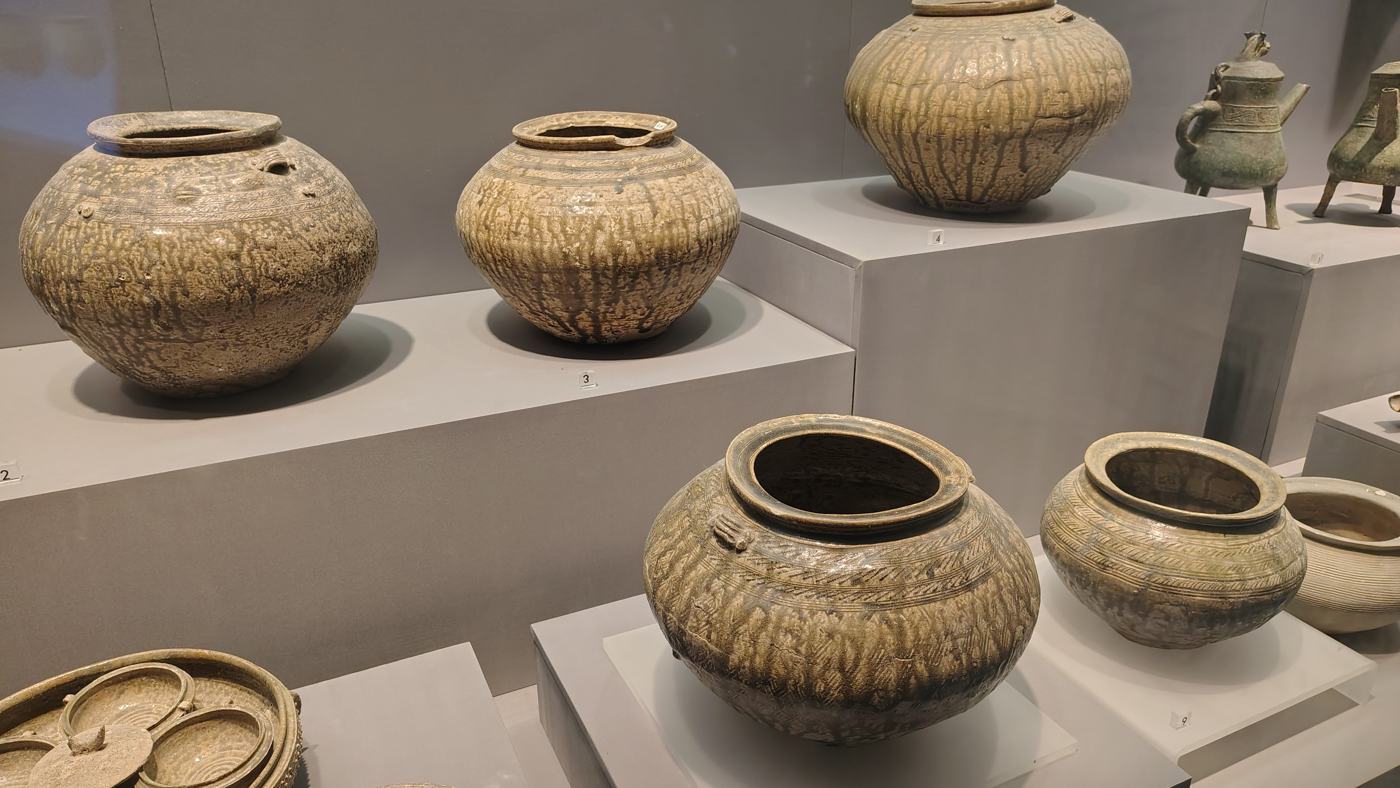
In Nanjing, Mao Keran showed me the local art scene. A day in a museum with six thousand years of Chinese ceramics gave the trip its historical backbone.
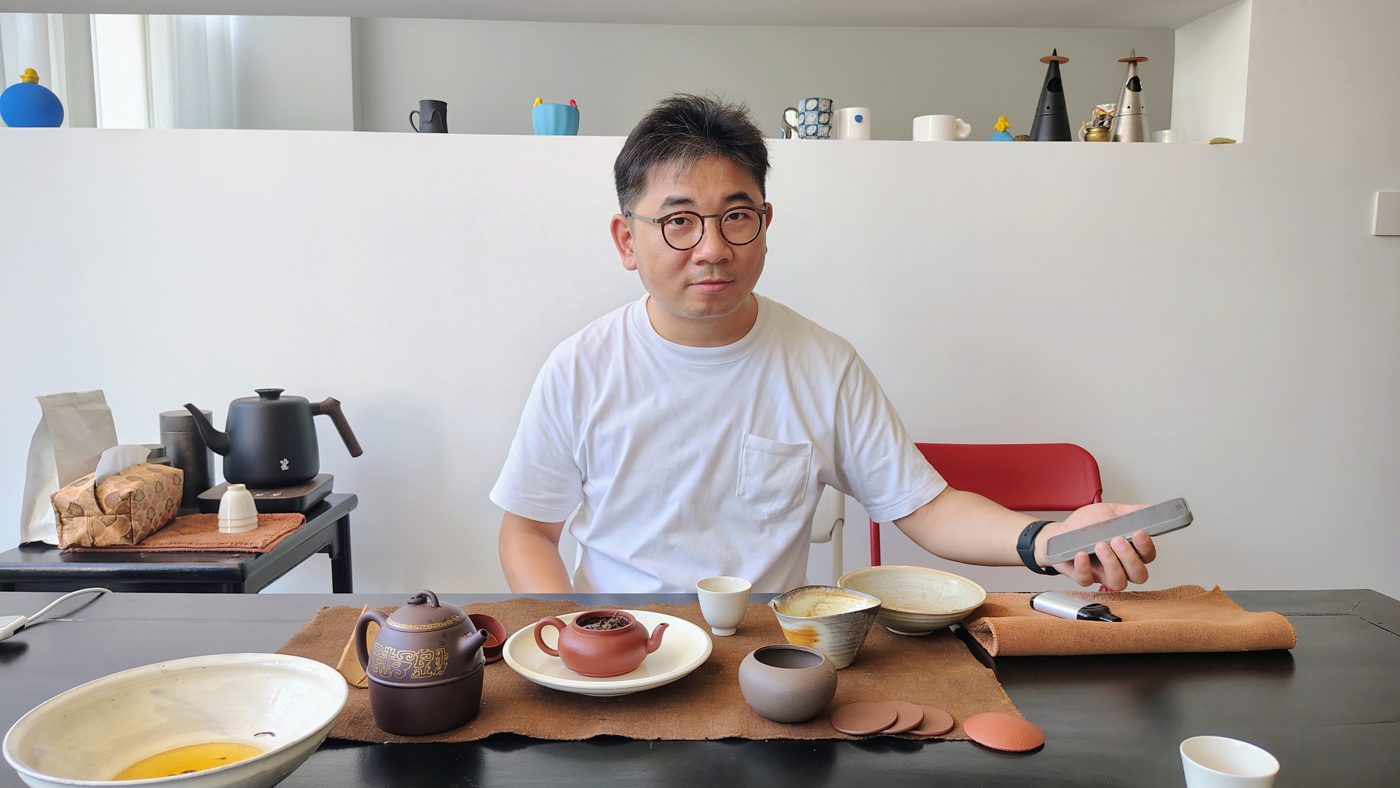
In Yixing, Li Xiaolu introduced me to the people who shape the ceramics world there. Yixing is the home of zisha, the purple clay used for unglazed teapots that absorb the aroma of tea over the years. A museum in a former factory shows the history of the craft.
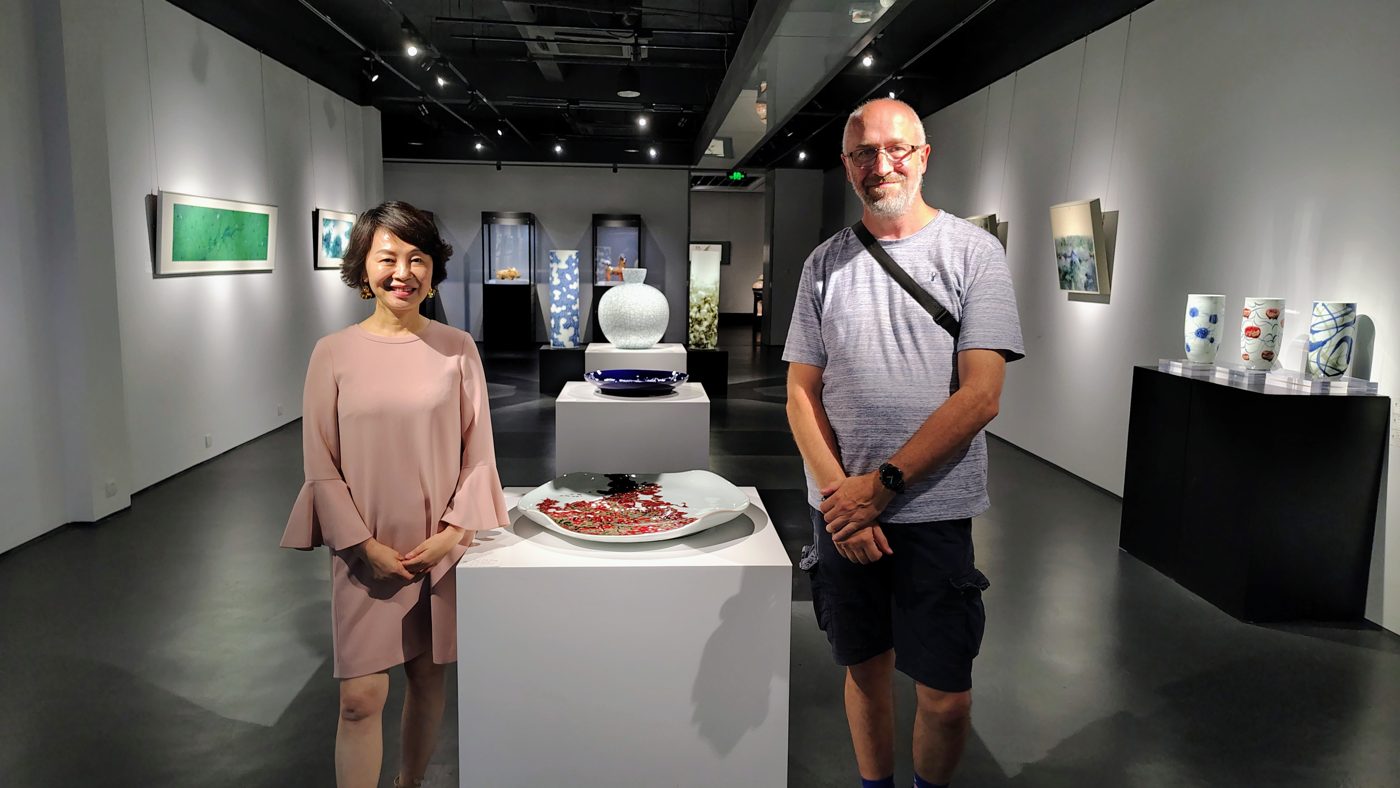
In Shanghai I found the museums closed. A gallery on the second floor of an old building turned out to be a better stop: Mrs. Xiong Linglan received me there, we talked for hours, and my own ceramics became part of the conversation. That evening I stood on the Bund and watched the skyline light up.
What I brought back
China showed me how strongly tradition binds clay to a region: every place has its own rules for material, technique and form. In Europe an artist chooses freely. In Shanghai I saw that boundary loosening, in works that dare to leave the past behind. Everywhere I found meaning built into the object, through nature, patience and technique. That is a thread I want to follow in future work.
My fascination with wabi-sabi and Taoist thought, chance and imperfection, met something new there: ornament and form that carry an explicit meaning. Nine days with Zhou Junxi added one more lesson. A Belgian ceramist and a Yunnan painter, with translation apps that stuttered, became friends over a shared passion.
With thanks
Jennifer Zhang, Zhou Junxi, Mrs. Pan, Li Bonan, Wu Ge, Mao Keran, Li Xiaolu and Xiong Linglan.